Objective
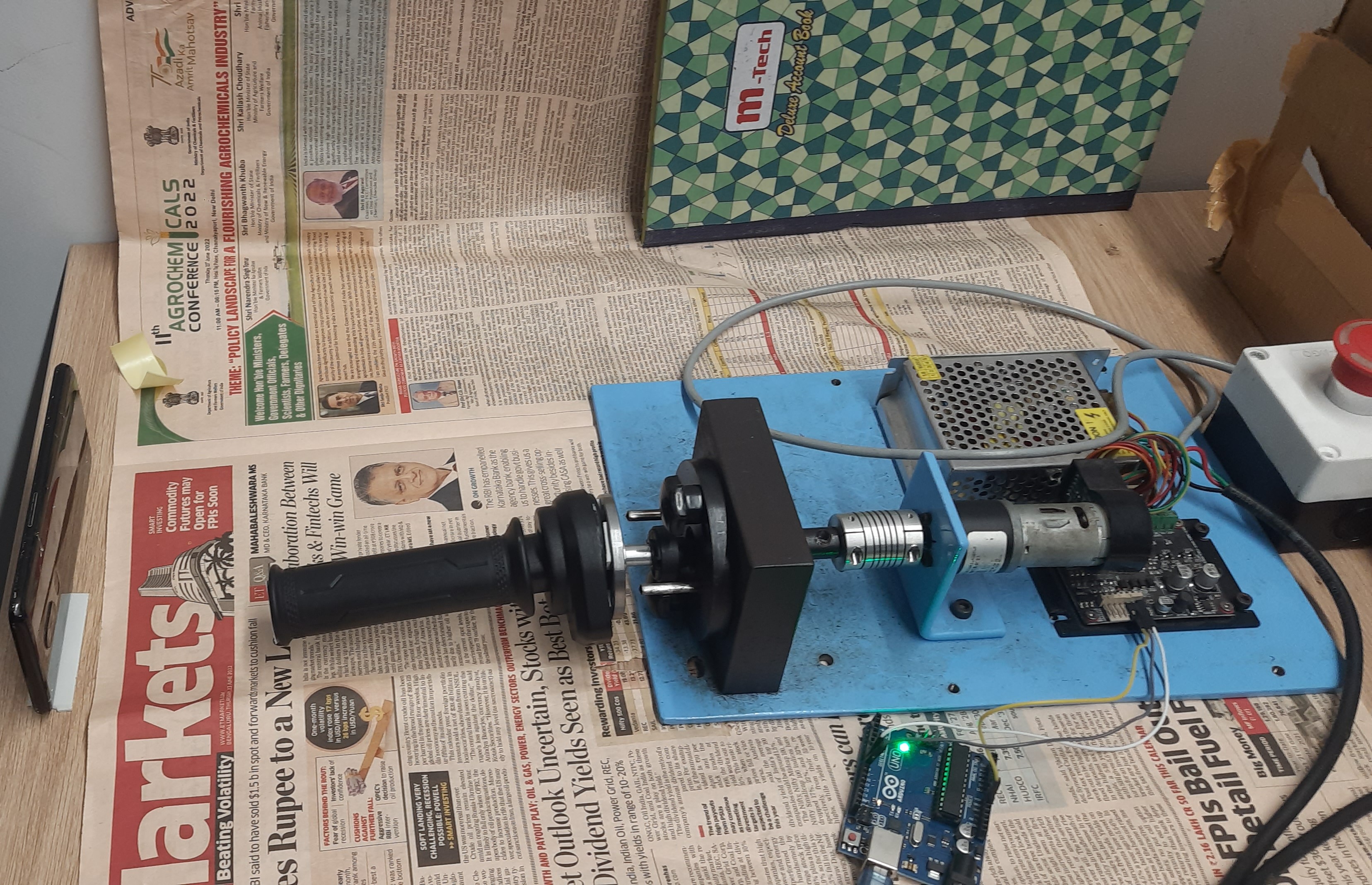
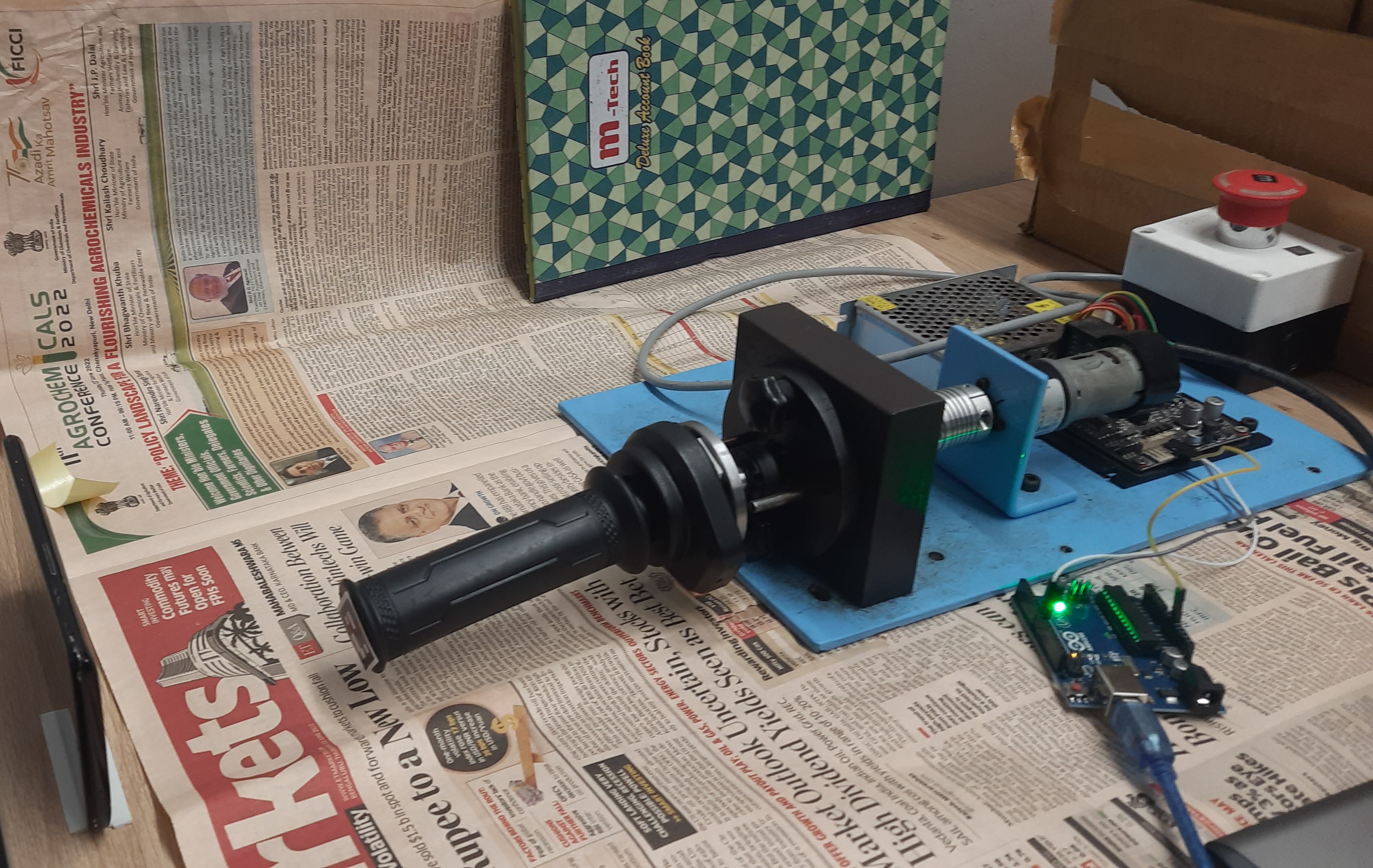
As the primary member driving this project, our focus is on optimizing component test benches in the endurance testing of automotive components, specifically exploring the testing of the automotive throttle position sensor (TPS) using fiducial markers and image processing techniques. This involves benchmarking existing End Of Line (EOL) setups and test benches, designing an efficient machine vision-based testing system, and implementing it as a cost-effective alternative. The key contributions of this research include:
- Scalability and Cost Effectiveness: The proposed methodology is highly scalable and cost-effective while ensuring the required testing accuracy.
- Advancement in Computer Vision: Contribution to advancing computer vision techniques, particularly in optimizing testing methodologies for bulk manufacturing industries like automotive manufacturing.
Significance and Problem Statement
In the automotive industry, component testing is crucial for ensuring vehicle safety, efficiency, and effectiveness. Traditional methods, such as human observation, are limited in accuracy due to factors like fatigue and subjectivity. Machine vision emerges as a valuable tool, providing an automated and reliable process for capturing and analyzing data, thereby revolutionizing testing methodologies within production processes.
Methodology and Technology Stack
The machine vision-based testing system utilizes fiducial markers, a monocular camera, a laptop for video feed capture and processing, motor actuators (without encoders), and a power supply. The methodology involves benchmarking existing setups, designing the vision-based system, and implementing it to accurately and efficiently test TPS components. The technology stack includes:
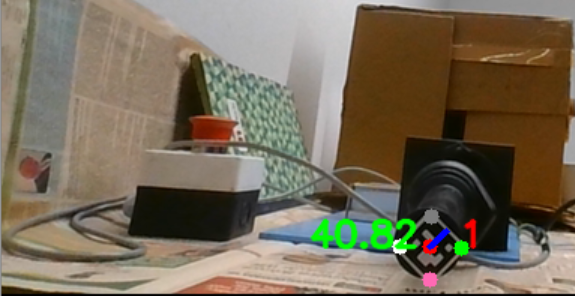
- Machine Vision: Utilized for capturing and analyzing data.
- Fiducial Markers: Aid in tracking and calibration.
- Monocular Camera: Captures video feed for analysis.
- Motor Actuators: Without encoders, contributing to cost-effectiveness.
- Power Supply: Essential for system functionality.
Conclusion
The successful development of this machine vision-based testing system promises to revolutionize the testing of TPS components, ensuring reliable and high-quality components are integrated into vehicles during the production process.